- March 7, 2026
- 0
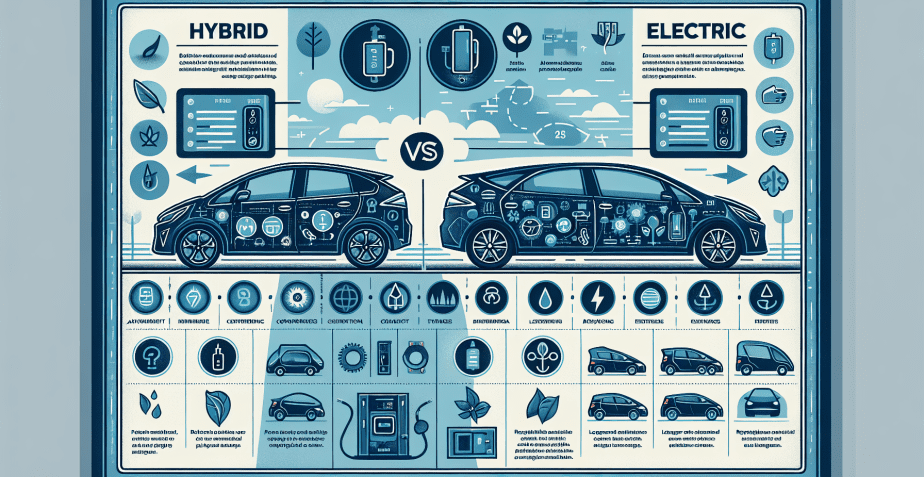
When you’re weighing hybrid vs electric car pros and cons, your decision will shape your daily costs, environmental impact, and driving experience. As EV charging networks expand around Kuala Lumpur and petrol prices fluctuate, understanding the trade-offs has never been more important.
Whether you’re upgrading from a traditional petrol vehicle or choosing your first low-emission ride, this guide walks you through the key factors so you can make a confident choice.
Understand purchase and running costs
Initial purchase cost
Hybrid models often carry a premium compared with conventional petrol cars, thanks to their dual powertrains and battery packs. But EVs push the envelope further with large-capacity battery systems that drive prices higher. If you’re weighing hybrid or electric against a petrol or diesel option, our petrol vs diesel cars comparison dives into those trade-offs.
Operating expenses
After you settle on a sticker price, your monthly outlay shifts to fuel, charging, and routine servicing. Hybrids blend gasoline and electric power, so you still fill up at the pump and pay fluctuating petrol rates. Diesel vehicles may deliver better mileage but often come with higher per-liter prices. For a deeper breakdown of pump-to-wheel efficiency, take a look at our diesel vs petrol fuel economy guide.
Electric cars swap fuel for electricity, a variable cost discussion we’ll explore under charging.
Evaluate fuel and energy efficiency
Hybrid mileage and consumption
Hybrids often deliver impressive kilometres per litre thanks to regenerative braking and auto start-stop technology. Typical figures range from 20 to 25 km/L in real-world Malaysian city driving. Heavy traffic and air-conditioning demands will trim those numbers, so your commute habits matter. You can dive deeper into how hybrids manage energy use in our hybrid cars fuel efficiency article.
EV range and energy use
Your EV’s range depends on battery size, driving conditions, and onboard features like climate control. In Malaysia’s tropical climate, real-world distance often falls 10 to 15 percent below advertised figures due to cooling demands. Efficiency usually sits around 5 to 6 km per kWh on mixed routes. Planning longer trips means factoring in both energy consumption and charger locations.
Assess maintenance needs
Hybrid servicing requirements
Hybrid powertrains combine electric motors with gasoline engines, so you follow conventional service schedules for oil changes, spark plugs, and filters. On top of that, you’ll monitor the battery cooling system and inverter electronics. While hybrid components are reliable, specialized parts can fetch a premium at authorized service centers. Regenerative braking helps extend brake pad life, which offsets some extra costs over time.
EV maintenance savings
Pure electric cars skip oil changes entirely and have far fewer moving parts under the hood. You still rotate tires, replace brake fluids, and service cabin filters, but major powertrain work is rare. Regenerative braking reduces brake pad wear, further cutting costs. You may encounter software updates that ensure optimal battery performance, some free, some paid. Routine servicing bills are typically one third of what you’d pay for a similar petrol or hybrid sedan.
Consider environmental factors
Tailpipe and lifecycle emissions
Hybrids cut tailpipe CO₂ by supplementing combustion with electric power, reducing fuel burn in stop-and-go traffic. EVs produce zero local emissions when driving, though overall climate benefits hinge on Malaysia’s grid mix. With roughly 40 percent renewable generation, your EV trip currently carries a partial coal-fired imprint at the power plant. Over time, as renewables grow, that balance will shift in EVs’ favor.
Resource and battery impact
Building large EV batteries requires rare minerals and energy-intensive processes, which bump up initial carbon output. Hybrid packs are smaller, so their manufacturing footprint per vehicle stays lower. Yet over the life of the car, EVs often net greater emissions savings, especially if you charge from solar rooftops or green tariffs. Recycling programs and second-life battery projects are also maturing, which improves the long-term environmental case for EVs.
Explore charging options
Fuel availability for hybrids
Petrol stations still dot every highway and township in Malaysia, making refueling hybrids a no-brainer. You won’t hunt for charging points after a long drive, and prices remain predictable thanks to regulated RON95 and RON97 rates. That flexibility is a major draw if you cover long rural distances.
EV charging network
EV charging infrastructure has grown steadily, with fast chargers popping up at shopping malls, workplaces, and highway rest stops. Still, coverage outside Klang Valley can be spotty and queue times unpredictable. Many owners rely on home wallboxes to top up overnight, which adds convenience but also a higher upfront charger installation cost. To plan your next trip effectively, check out our detailed breakdown of electric vehicle charging costs and station locations.
Summarize pros and cons
You’ve now seen the key trade-offs between hybrids and electric cars. The table below distills those points so you can match a choice to your needs.
| Factor | Hybrid | Electric |
|---|---|---|
| Purchase cost | Lower than EV, higher than petrol | Highest sticker price, incentives available |
| Energy expense | Pays for petrol, better km/L than petrol cars | Lower per km but depends on kWh rates |
| Maintenance | Additional hybrid components | Fewer moving parts, may pay for battery health checks |
| Range | Unlimited range via petrol | 200–400 km, dependent on charger access |
| Infrastructure | Reliant on petrol stations everywhere | Growing network, charging can be slow outside urban centers |
| Emissions | Reduced tailpipe CO₂ | Zero tailpipe, higher production emissions |
In the end, your driving habits, budget, and environmental priorities will guide the right pick. Whether you choose a hybrid as a bridge technology or commit fully to electric, understanding these pros and cons puts you in the driver’s seat.
- March 7, 2026
- Vehicle
related posts