- March 7, 2026
- 0
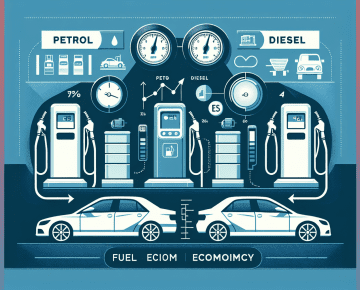
When you’re weighing petrol vs diesel cars comparison, the numbers can be surprising. You want to find a balance between what you pay at the showroom, what you spend at the pump, and how long your car will last under Malaysian driving conditions.
Finding the right fueltrain means looking at upfront purchase price, fuel efficiency and running costs, ongoing maintenance, and environmental impact. You also need to consider whether a hybrid or electric vehicle might suit your daily commute better than a conventional engine.
Upfront purchase price
Diesel models typically cost more to buy than their petrol counterparts because manufacturers install tougher engine components and emissions controls such as particulate filters and AdBlue injection systems. That extra hardware adds to the sticker price, so you may pay 10 to 15 percent more for a diesel variant of the same model.
Petrol cars often come with a lower initial purchase price, making them attractive if your budget is tight. Hybrid and electric vehicles generally command an even higher premium, though incentives and rebates can narrow the gap in Malaysia’s evolving market.
Fuel and running costs
Diesel engines run leaner, meaning they extract more energy from each liter of fuel and shine on long-distance highway drives. If you regularly cover motorway miles between Kuala Lumpur and Penang, a diesel car’s better fuel economy could shave hundreds of ringgit off your monthly fuel bill.
In contrast, petrol cars usually perform best in urban stop-start traffic, where diesel particulate filters can clog if they don’t reach optimal temperature. You’ll refill petrol faster and more conveniently at any station, but you’ll pay slightly more per liter and get fewer kilometers per tank.
| Powertrain | Avg fuel economy | CO₂ emissions |
|---|---|---|
| Petrol | 30 mpg (12.7 km/L) | ~200 g/km |
| Diesel | 40 mpg (17 km/L) | ~120 g/km |
| Hybrid | 50 mpg (21 km/L) | ~90 g/km |
| Electric | – | 0 g/km tailpipe |
This table illustrates why you’ll see lower running costs for diesel and hybrid cars, though hybrids usually carry a higher purchase price. If you want more detail on how fuel efficiency stacks up, check out our deep dive into diesel vs petrol fuel economy.
Maintenance and lifespan
Diesel engines boast a reputation for longevity thanks to sturdier internal parts and lower operating revs, often surpassing 500,000 miles with proper care. However, when maintenance is due, you’ll pay extra for specialist services such as fuel filter changes, injector calibration, and glow plug replacements.
Petrol engines are simpler, meaning you can visit most independent workshops and enjoy lower labor costs. Spark plug and oil changes happen more often, but each service appointment tends to be cheaper than a diesel equivalent.
Hybrid powertrains combine a small petrol engine with electric components, which adds complexity but spreads wear over two systems. Overall servicing bills land somewhere between conventional petrol and high-end diesel maintenance.
Environmental considerations
Diesel cars emit less carbon dioxide per kilometer thanks to their higher thermal efficiency, which can translate into lower road tax brackets. That lean-burn nature makes diesel appealing if your priority is reducing your carbon footprint on long trips.
On the downside, diesel engines can produce more nitrogen oxides and fine particulate matter, even with modern diesel particulate filters in place. In stop-start city traffic, that pollution can spike unless your car regularly completes regeneration cycles.
Petrol engines emit more CO₂ but tend to release lower levels of NOₓ and particulates, making them cleaner in urban zones. New petrol models fitted with three-way catalysts meet stringent Euro 6 emission standards, narrowing the gap with diesel.
Exploring hybrid and EV
Hybrid options
Hybrid cars blend a combustion engine with electric motors to optimize fuel use in city and highway conditions. You’ll enjoy lower tailpipe emissions in traffic jams and a smoother transition to higher speeds, which can keep fuel costs down. Tight parking and short hops suit hybrids well, since they recuperate energy under braking.
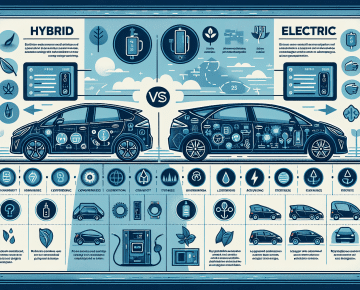
If you’re curious about real-world savings, our hybrid cars fuel efficiency guide lays out consumption figures for popular models in Malaysia. You can also compare the trade-offs between hybrid and full electric in our hybrid vs electric car pros and cons breakdown.
Electric vehicles
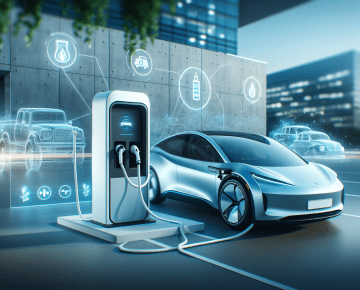
Electric vehicles eliminate tailpipe emissions entirely, running on battery power and regenerative braking. Your “fuel” cost becomes electricity rather than petrol or diesel, so head over to our electric vehicle charging costs page to estimate your kWh expenses.
Charging times and infrastructure remain critical considerations, especially if you tackle long journeys outside major urban centers. But if your daily driving stays within a 200 km radius and you have reliable access to home or workplace chargers, an EV could reduce your servicing bills and exempt you from certain clean-air charges.
It’s clear that petrol vs diesel cars comparison is just one piece of the decision puzzle. Adding hybrid and electric options expands your choices and helps you align price, performance, and environmental impact with your driving style.
In choosing between petrol, diesel, hybrid, and electric, think about where you drive most, how much you want to spend both now and over the next five years, and which emissions profile suits your values. Armed with this comparison, you can make a confident choice in Malaysia’s mixed fuel landscape.
- March 7, 2026
- Vehicle
related posts