- March 7, 2026
- 0
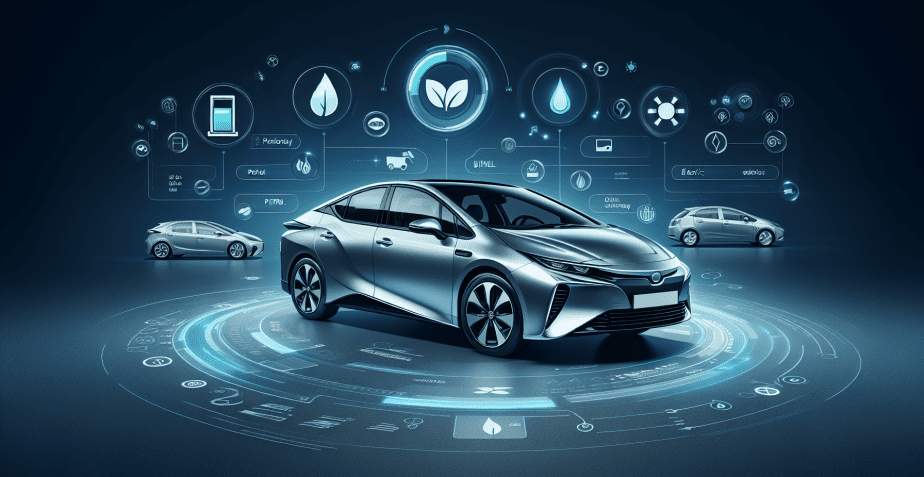
When you consider hybrid cars fuel efficiency, you tap into a smarter way to cut your petrol bills and stretch every ringgit further. By blending electric motors with a conventional engine, a hybrid powertrain runs each component close to its optimal operating point, squeezing more miles out of every litre of petrol. In Malaysia, where fuel prices can climb quickly, choosing a hybrid car could shave thousands off your annual running costs.
Here we’ll explore how hybrids achieve these gains and what that means for your wallet.
How hybrid cars boost efficiency
Hybrid electric vehicles achieve higher fuel efficiency than conventional gas‐powered cars because they combine internal combustion engines (ICEs) with electric motors, optimizing engine and motor operation to suit driving conditions, as explained by Geotab in August 2024. This synergy means your petrol engine can work at its sweet spot, while the battery and motor fill in gaps where the ICE is less efficient.
A smart control unit decides whether to run on electric power, petrol, or both. It monitors throttle input, speed, battery charge and terrain, keeping the engine at peak efficiency and shutting it off at idle. That translates to real-world gains whenever you start from a standstill or crawl through stop-start traffic.
Atkinson cycle engine
Much of a hybrid’s efficiency gain comes from its Atkinson cycle engine, a special ICE that alters valve timing to prioritize expansion over compression. By delaying the intake valve closing, it effectively shortens the compression stroke and reduces pumping losses. That design yields better thermal efficiency but makes the engine less peppy. To compensate, the electric motor jumps in with instant torque whenever you floor the pedal, giving you the acceleration you expect. This dance between engine and motor lets you enjoy brisk throttle response without the usual fuel penalties.
Regenerative braking
The electric motor in your hybrid doubles as a generator whenever you brake or coast downhill, capturing energy that would otherwise vanish as heat. Rather than waste that momentum, regenerative braking reroutes the energy back into your battery pack, and you reclaim it later during acceleration. Over time and thousands of stops, that recovered juice can add up to real savings at the pump.
Electric motor efficiency
Electric motors operate at 70% to 95% efficiency, a stark contrast to the 20% to 25% typical of ICEs, according to Geotab’s analysis. They deliver peak torque from a standstill without needing a traditional transmission, which reduces mechanical losses during city driving. In congested urban traffic, this direct‐drive advantage means your hybrid sips petrol rather than gulping it down.
Behind the scenes, a hybrid control unit orchestrates the dance between engine and motor, instantly analyzing dozens of inputs from throttle position to battery state of charge. It decides when to spin up the petrol engine, let the motor handle low-speed loads, or blend both to meet demand. This constant juggling prioritizes efficiency without ever leaving you wondering which power source is active. Whether you’re easing off the highway to glide into a parking lot or tackling a steep hill, your hybrid intuitively selects the most economical mode. The result is a car that feels familiar to drive but sips fuel like a compact city model.
Comparing hybrid to other options
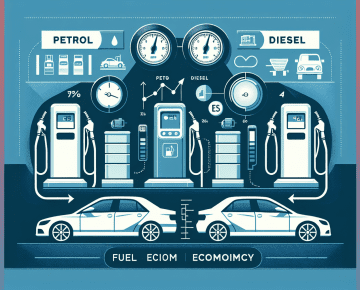
When you’re weighing hybrids against petrol, diesel or fully electric alternatives, fuel efficiency often tips the scales. A petrol-only sedan might deliver around 8 L/100 km, while a comparable hybrid can drop closer to 5 L/100 km. If you’d rather see how traditional engines stack up, our petrol vs diesel cars comparison and diesel vs petrol fuel economy guides dive deeper.
Hybrid vs petrol
A conventional petrol car typically runs an ICE sized for peak demand, meaning it spends much of its life off the optimal efficiency curve. By contrast, a hybrid’s electric assist and engine downsizing push it closer to ideal operating points, shaving about 20% to 30% off your fuel consumption in mixed driving conditions. That adds up fast if you drive 200 km a week, translating to lower stops at the petrol station.
Hybrid vs diesel
Diesel engines typically deliver 15% to 20% better fuel economy than petrol at highway speeds, yet hybrids often match or exceed diesel’s advantage in urban traffic thanks to battery assist. Regenerative braking and electric-only low-speed operation let hybrids capture and reuse energy, something a diesel powertrain can’t do. If you commute through Kuala Lumpur’s traffic, a hybrid can outshine a diesel SUV in real-world efficiency.
Hybrid vs electric
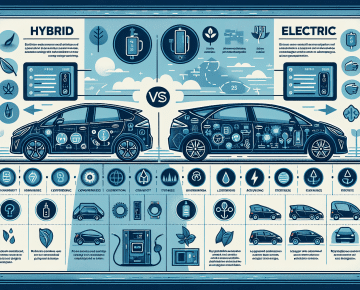
According to Car and Driver in June 2026, some full hybrids seamlessly switch between gas-only, electric-only and combined modes, maximising efficiency on mixed routes. A plug-in hybrid lets you drive purely on battery power for short hops and fall back on petrol once the battery runs low. Hybrid models often cost less than pure EVs, making them a practical alternative if charging stations are scarce. Before you decide, compare electric vehicle charging costs and browse our hybrid vs electric car pros and cons.
Calculate your potential savings
Working through a simple example shows how much you could save each month and year.
| Powertrain | Consumption | Unit cost | Cost per 100 km |
|---|---|---|---|
| Petrol sedan | 8 L/100 km | RM2.10/L | RM16.80 |
| Hybrid car | 5 L/100 km | RM2.10/L | RM10.50 |
| Electric EV | 15 kWh/100 km | RM0.75/kWh | RM11.25 |
Prices are approximate and may shift, but you can swap in today’s rates to see your own numbers. At 15,000 km per year, that RM6.30 difference per 100 km adds up to roughly RM945 in annual savings. Even so, switching to a hybrid often cuts your fuel bill by around 30%.
Choosing the right hybrid for you
Price tags and fuel savings rarely move in lockstep, so think about total cost of ownership. Look beyond the sticker price at factors like battery warranty, maintenance intervals and resale value. Some manufacturers offer service packages tailored to hybrid models, which can further protect your budget.
If you’re looking for a compact hatchback, the Toyota Prius remains a top pick in Malaysia, offering a combined fuel economy of around 23 km/L (approx. 4.3 L/100 km) on the WLTP cycle. Its proven reliability and extensive service network make maintenance straightforward, and spare parts are readily available.
Launched more recently, the Honda City Hybrid delivers around 21 km/L in real-world driving, and with its lower starting price compared to the Prius, it appeals to budget-savvy buyers. It also comes with a five-year battery warranty, giving you added peace of mind.
For those needing more space, the Honda CR-V Hybrid blends SUV practicality with a combined rating near 17 km/L, roughly matching smaller cars when you stick to smooth acceleration and moderate speeds. Even though it carries a higher sticker price, the fuel savings and lower running costs can offset that premium over a few years.
By now you can see how hybrid cars fuel efficiency translates to real-world savings in Malaysia’s traffic mix. Whether you’re doing daily commutes or weekend road trips, that economy adds up in your favor. Consider a hybrid for your next car purchase and start saving at the pump from day one.
- March 7, 2026
- Vehicle
related posts