- March 27, 2026
- 0
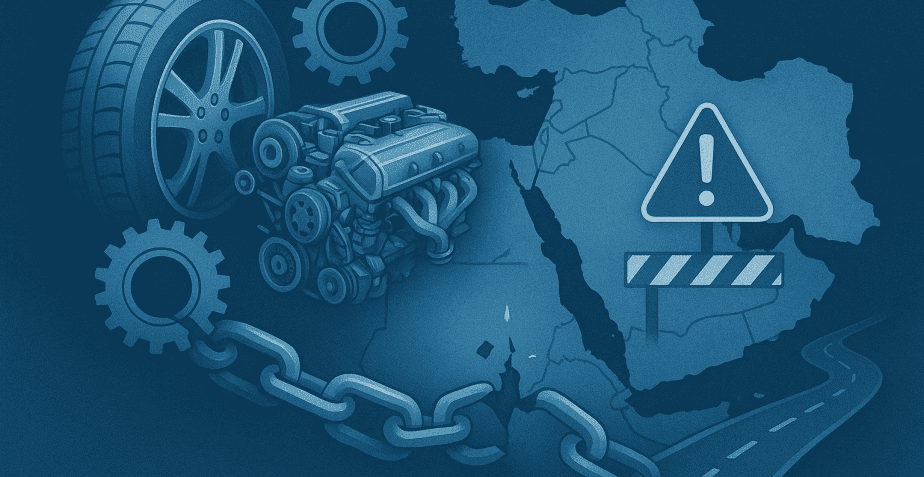
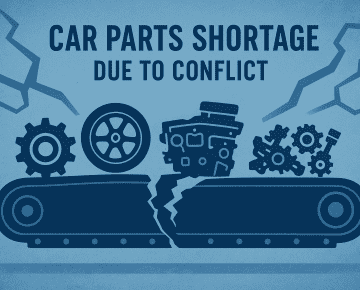
As tensions escalate across the Middle East, automotive supply chain challenges middle east have become hard to ignore. You may notice longer wait times for replacement parts, higher shipping costs, or sudden production slowdowns at local dealerships. Understanding these disruptions helps you plan ahead and avoid unexpected delays when you need service or new components.
Whether you rely on your daily commute or manage a fleet, the ripple effects from conflict zones can reach all the way to Malaysia. By getting a clear picture of what’s happening, you can adjust your maintenance schedules, explore alternative ordering strategies, and keep your vehicle running smoothly even when regional turmoil threatens global networks.
Current supply chain obstacles
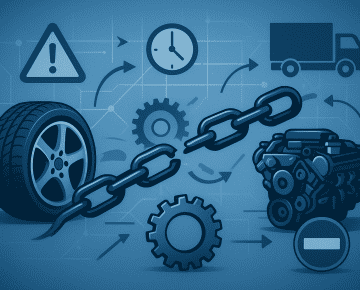
Many manufacturers source critical components—like electronic control units, wiring harnesses, and specialized alloys—from factories scattered around the Persian Gulf. When ports face closures or inspections tighten, shipments stall on docks for days or even weeks. That backlog pushes delivery dates out, forcing assembly lines to idle and leaving you waiting for that essential spare part.
Beyond direct port disruptions, insurance premiums for vessels traversing high-risk waters have climbed. Carriers pass those added costs along, so you end up paying more for the same component. These compounded pressures illustrate why auto parts supply chain disruptions have become a top concern for anyone dependent on reliable access to replacement parts.
Impact on vehicle access
Even if you’re not ordering directly from a Middle Eastern plant, the knock-on effects can still slow down your local market. If regional suppliers can’t ship components to major manufacturing hubs, global brands may reduce exports to secondary markets like Malaysia. That means longer lead times when you call for repairs, and in some cases prices may tick upward as supply tightens.
Dealership service departments often stock fewer parts on the shelf to avoid overcapitalizing on inventory that might sit unused. While lean stocking saves on warehousing costs for businesses, it can leave you with little in reserve when you need that new turbocharger, timing belt, or ECU. In those moments, you’ll want to know why your routine oil-pump replacement suddenly requires a six-week wait.
Key driving factors
Geopolitical tensions
Shifts in political alliances or outbreaks of hostilities can prompt sudden sanctions or border closures. When governments block exports from a neighboring country, you can see immediate shortages in parts categories that rely on those supply routes.
Transport and warehousing constraints
Port congestion isn’t the only challenge. Inland trucking and rail networks can face curfews, security checkpoints, or fuel shortages. Delayed transfers from ship to shore ripple through the entire logistics chain, meaning manufacturers receive subassemblies late and may halt final assembly lines.
Demand fluctuations
Surges in demand for certain models or new technologies—like electric vehicle battery packs—can strain an already tense system. If suppliers reallocate limited inventory to meet high-volume orders at home, export markets suffer. That balancing act can leave you waiting longer for a part that suddenly became a global hot commodity.
Regional logistics constraints
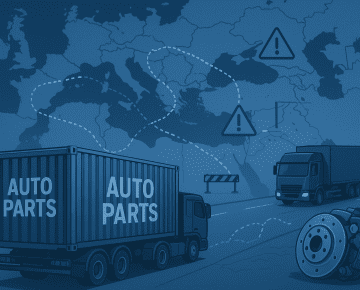
Shipping through the Strait of Hormuz or the Suez Canal remains vital for moving goods between Asia and Europe. Any threat to these chokepoints forces vessels to reroute around the Cape of Good Hope, adding days to transit times. For time-sensitive auto parts, that extra journey eats into tight production schedules and drives up per-unit freight charges.
Security concerns also lead to more frequent inspections by naval patrols and coast guards. Every inspection adds variable delays—sometimes a few hours, other times multiple days if documentation or cargo manifests need clarification. Given how just-in-time manufacturing relies on precise timing, even minor hold-ups can cascade into larger outages down the line. You can read more about similar issues in automotive logistics problems conflict regions.
Strategies to mitigate disruptions
Relying on a single supplier or route leaves you vulnerable when that corridor shuts down. Proactive steps can help you stay ahead of the next bottleneck:
| Mitigation approach | Benefit | Key consideration |
|---|---|---|
| Diversify supply base | Reduces dependence on one region or vendor | Onboarding new suppliers takes time |
| Increase safety-stock levels | Smooths out short-term spikes in lead time | Higher inventory carrying costs |
| Leverage digital tracking tools | Improves visibility into shipment status | Requires investment in software integration |
| Explore alternative transit routes | Bypasses high-risk waterways when needed | May incur higher per-mile freight charges |
By mixing these tactics—building in extra buffer stock, tapping a secondary supplier network, and monitoring your shipments in real time—you’ll face fewer surprises. Each measure adds a small layer of security that, when combined, can keep your repair schedule on track.
Future industry outlook
Looking ahead, manufacturers are exploring reshoring and near-shoring strategies to bring critical production closer to end markets. That shift could eventually ease pressure on long-haul routes and reduce your exposure to instability thousands of miles away. While those changes take years to implement, they signal a move toward greater resilience in global auto supply chains.
In the meantime, staying informed and flexible is your best defense. Monitor updates on auto industry supply chain issues 2024 to see how shifting trade policies and emerging trade alliances may affect your next service appointment. If you’re curious about how conflict drives part shortages in specific categories, take a look at car parts shortage due to conflict for deeper insight.
By understanding the root causes of automotive supply chain challenges middle east, you’ll be better equipped to plan maintenance, manage costs, and keep your vehicle running when global uncertainty strikes.
- March 27, 2026
- Auto parts
related posts