- March 27, 2026
- 0
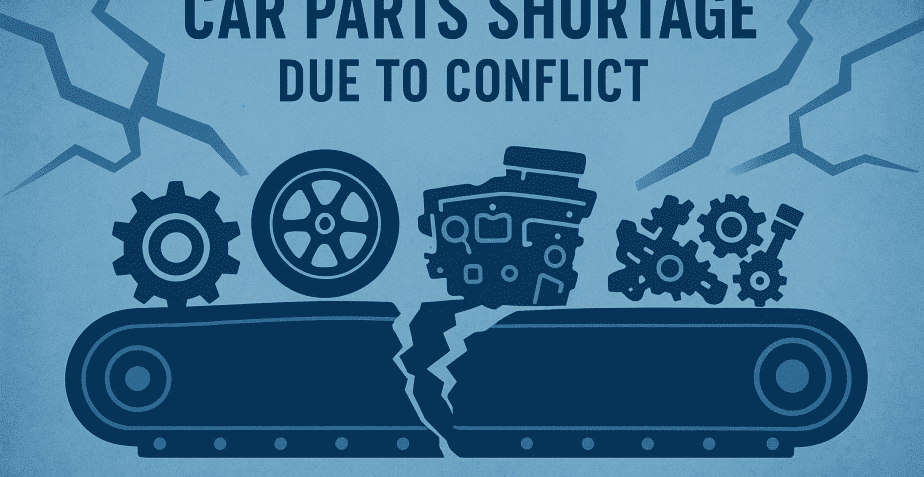
If you’re a driver in Malaysia, you may have noticed longer waits for simple replacement filters or sensors. That reflects the car parts shortage due to conflict that is echoing through the global automotive industry. As parts become scarce, you end up paying more and waiting longer to keep your vehicle in good shape.
You might think this problem is happening thousands of miles away, but every disrupted factory and closed shipping route pushes delays to your local workshop. Even small delays in manufacturing microchips and wiring harnesses can halt entire assembly lines or slow down aftermarket suppliers. And because most automakers share parts platforms globally, a bottleneck in one region quickly spreads everywhere. That’s why your next oil change or brake job could take twice as long or cost more than expected.
Let’s break down what’s causing this shortage and how it affects you.
Understanding the shortage
A car parts shortage due to conflict describes the lack of availability of spare parts, components and subassemblies because of unrest and disruptions in key production regions. You’re seeing delays across everything from brake pads to electronic modules, a textbook example of auto parts supply chain disruptions. Manufacturers and suppliers can’t deliver at their usual pace, leaving retailers and repair shops scrambling. When you need a replacement part, that scramble turns into longer waits and higher prices.
No driver is immune when global supply chains stall.
Tracking supply chain causes
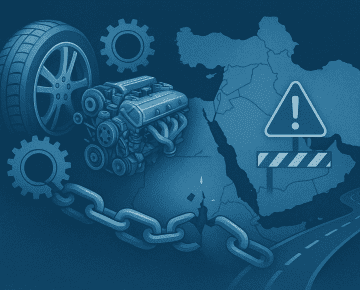
To see why parts are running short, look at the production and shipping pipeline from raw materials to assembly lines. Conflict in the Middle East, where critical shipping lanes and manufacturing hubs are located, has thrown off schedules and inventories. These disturbances feed into broader automotive supply chain challenges middle east.
Middle East conflict effects
When tensions flare in the region, ports and rail terminals risk closure or slowdowns. Ships waiting at Suez or Gulf ports face delays, which cascades to factories elsewhere that rely on those parts. Raw materials like steel, aluminum and specialized alloys may get stuck before they even reach casting plants. You wind up with assembly lines idled or with limited batches of components.
That pattern illustrates how localized conflict triggers a global ripple effect. You feel it when your local garage tells you the part you ordered won’t arrive for weeks.
Logistics and sanctions issues
Beyond direct impacts, sanctions and security measures complicate shipments. New export restrictions force carriers to reroute or cancel runs, often at higher prices. These shifts are a prime example of automotive logistics problems conflict regions.
Air freight costs can spike, and trucking routes through neighboring countries get longer. Even parts traveling by rail or sea may require extra documentation, inspection and handling charges. Those add time and cost before the part ever reaches your repair shop.
Assessing your daily impact
As you manage your car’s upkeep in Malaysia, you’re now navigating longer lead times and steeper price tags. Waiting weeks for a simple brake pad or sensor replacement has real consequences, missed work, delayed road trips and unexpected invoice bumps. Understanding which parts suffer the longest delays lets you plan around them.
Below is a snapshot of common components, their typical wait and average cost increase.
| Part category | Typical delay | Price increase |
|---|---|---|
| Brake components | 4–8 weeks | 15–25% |
| Electronic sensors | 6–10 weeks | 20–35% |
| Filters and gaskets | 3–6 weeks | 10–18% |
| Body panels | 8–12 weeks | 25–40% |
| Engine control units | 10–14 weeks | 30–50% |
You’ll notice that electronics and bodywork components face the biggest setbacks, with sensors and control units taking over two months to arrive. These trends echo broader auto industry supply chain issues 2024, where chip shortages and shipping backlogs have shown little sign of easing. By knowing what to expect, you can schedule service earlier or seek alternatives before your car sits idle.
Exploring maintenance challenges
Repair shops and dealerships in urban centers often stock minimal inventory, assuming a steady flow of parts from international suppliers. Now that flow is disrupted, technicians may swap out entire assemblies instead of diagnosing individual failures, which can drive up your bill.
Warranty repairs can be particularly frustrating. Even if your car is covered, waiting weeks for an OEM part means you lose days of mobility. Rental costs pile up, and some warranty providers may push you toward aftermarket options to avoid backorders. Meanwhile, insurance claims for collision damage slow down when body shops can’t secure the panels they need. All of this can leave you questioning whether to repair or replace, especially when vehicles lose value in storage. And in some cases, you might find your coverage limited if insurers deem the repair impractical.
Navigating these hurdles requires both patience and proactive planning.
Adopting mitigation strategies
Start by building a trusted relationship with a local mechanic or repair shop. When you explain that you understand current lead times, they can keep you updated and even place backorders at lower rates. Invite them to share stock estimates and timeline forecasts so you’re not in the dark when your car breaks down. Some workshops source parts from different distributors, including regional warehouses that rotate stock more frequently. This insider approach helps you get ahead of shortages rather than chase after them.
Consider aftermarket or remanufactured parts when OEM replacements are unavailable or overpriced. Many of these options meet or exceed original specifications at a fraction of the cost.
Keep an eye on local online marketplaces and forums where drivers exchange tips on available stock. Sometimes a fellow car owner will sell a barely used module or original part at competitive rates. You may even find community swap groups that coordinate bulk orders to unlock volume discounts. By tapping into these networks, you bypass traditional shipping delays.
Scheduling preventative maintenance before winter or peak travel seasons can minimize downtime when parts run short.
Finally, if you have an older model, stock up on high-wear items like filters, brake pads and belts when they’re in stock. Storing a small parts cache ensures you can address common repairs immediately. Just be sure to keep them in a dry, labeled space to avoid deterioration.
Plan next steps
The car parts shortage due to conflict isn’t changing overnight, but it doesn’t have to leave you stranded. By understanding the root causes and tracking typical delays, you regain control of your vehicle maintenance. You can negotiate better with your service provider, choose cost-effective part alternatives and schedule work at the optimal times. That proactive stance saves you both time and money over the long haul.
Start today by calling your mechanic to discuss current part availability and lead times.
When you plan for these delays, your next service appointment becomes a smooth experience rather than a frustrating waiting game. Your car stays on the road and your budget stays on track.
- March 27, 2026
- Auto parts
related posts