- March 27, 2026
- 0
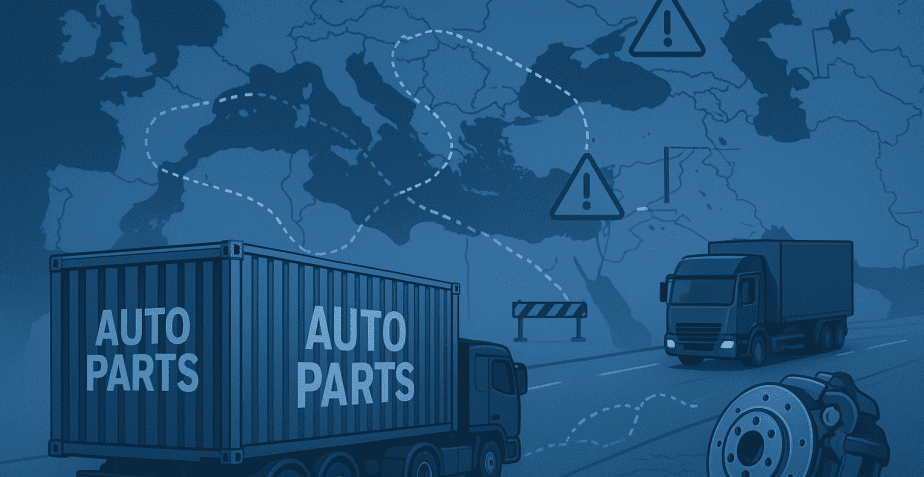
Automotive logistics problems conflict regions can create headaches for anyone who needs timely car parts. In Malaysia, where you rely on global suppliers for replacement components, even a small delay at a troubled port can leave you waiting weeks extra or choosing a pricier alternative. When conflict arises in strategic transit corridors, shipping lanes get rerouted, customs grow stricter, and insurers hike premiums across the board.
Here’s what you need to know.
Understand conflict zones
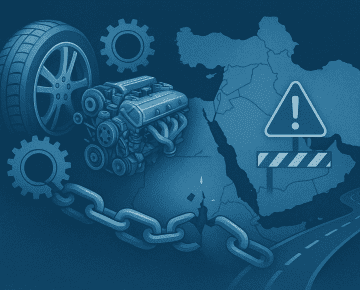
Conflict regions aren’t just headlines on your news feed—they’re active choke points in an intricate global network of roads, ports, and railways. In the Middle East, ongoing unrest around the Red Sea or the Persian Gulf can shut down major shipping channels almost overnight. Similar disruptions have flared in Eastern Europe, where rail links carrying critical auto parts cross into and out of Ukraine.
These flashpoints force carriers to detour thousands of miles, adding days or even weeks to transit times. Each reroute increases fuel consumption and handling stops, which drives up costs that eventually land on your invoice.
Here’s a closer look at the main logistics hurdles you’ll face next.
Identify logistics bottlenecks
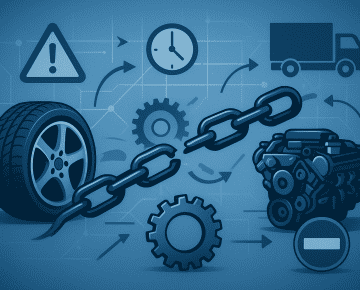
In the Middle East, ongoing tensions create automotive supply chain challenges middle east that reverberate through shipping lanes and customs processes. Below are the four most common bottlenecks slowing down your car parts:
Port closures and delays
When a port shuts or scales back operations for safety, vessels queue for days waiting to dock. Those delays cascade into warehouses, where dock workers juggle overdue shipments and scramble schedules.
Sanctions and regulatory barriers
Export restrictions and complex paperwork can stop goods in their tracks at customs checkpoints. Even innocuous parts require extra certificates or government waivers before they can move forward.
Security risks and insurance hikes
Cargo traveling through hotspots faces higher theft and damage risks. Insurers tack on surcharges or refuse coverage for certain lanes, forcing shippers to pay premium rates or abandon routes entirely.
Infrastructure damage
Bombed roads, damaged rail lines, and broken bridges reroute trucks onto back roads that weren’t built for heavy loads. This adds wear and tear on vehicles and boosts maintenance costs for carriers.
The table below summarizes these key bottlenecks and how they affect your car parts.
| Bottleneck | Description | Impact on car parts |
|---|---|---|
| Port closures and delays | Queues of ships waiting to unload cargo | Longer lead times, missed delivery windows |
| Sanctions and regulatory barriers | Heightened inspections and paperwork | Higher admin costs, shipment holds |
| Security risks and insurance hikes | Elevated theft/damage risk, pricier coverage | Increased freight charges |
| Infrastructure damage | Destroyed roads and rails | Rerouted shipments, higher transport fees |
Assess car parts impact
These logistical choke points often translate into visible shortages and price hikes on the parts you need. Whether you’re hunting down a brake pad set or an ECU module, the ripple effects can be significant.
Delayed deliveries and backorders
Your local supplier may show “in transit” for weeks, then report that the item is on backorder. That gap pushes your repair schedule back, and if you’re running a fleet, every day off the road racks up real costs.
Rising part prices
When fewer parts are available, basic supply-and-demand kicks in. Prices climb—and you might find sellers tacking on fuel-surcharge fees or “conflict-zone premiums” just to move stock.
Quality and counterfeit concerns
Desperate markets sometimes attract low-grade or counterfeit components disguised as originals. Ordering from unverified sources to beat a shortage can cost more in warranty claims and safety risks than waiting for genuine parts.
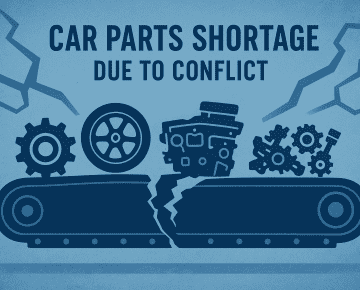
These factors combine to create car parts shortage due to conflict scenarios you’ve likely experienced, whether you knew the underlying cause or not.
Explore mitigation strategies
You’re not at the mercy of every port closure or sanction update. Many businesses and savvy individuals are already adapting to reduce downtime and hidden fees.
Diversifying supplier base
Relying on a single region or vendor makes you vulnerable. By qualifying multiple manufacturers across Asia, Europe, and the Americas, you give your orders alternative paths if one corridor shuts down.
Using digital tracking
Real-time shipment visibility tools let you spot delays as they happen. When a container stalls in Beirut or Odessa, you can pivot quickly—reroute, cancel, or consolidate—to keep your repair schedules on track.
Collaborating with logistics partners
Forwarders with deep regional expertise often negotiate priority loading or special clearances. Partnering with a carrier that knows local politics and customs nuances can shave days off transit.
These tactics help counteract auto parts supply chain disruptions and keep your vehicle maintenance on schedule.
Plan for supply resilience
Anticipating future disruptions is the final piece of the puzzle. By setting up proactive systems, you transform surprises into manageable hurdles.
Monitoring geopolitical risks
Sign up for alerts on shipping-lane closures and sanction updates. Government and maritime agencies publish advisories—you’ll know weeks in advance if a key route is about to be suspended.
Adjusting inventory strategies
If you depend on a critical component, ordering a small buffer stock can absorb a short-term crisis. For non-perishable parts, a 10–20% safety stock means you’re still turning wrenches while others wait for restocking.
Keeping an eye on auto industry supply chain issues 2024 helps you anticipate longer wait times or price hikes, so you can plan ahead rather than scramble at the last minute. By blending diverse suppliers, digital visibility, and smart inventory buffers, you’ll turn automotive logistics problems conflict regions into just another line item in your maintenance budget rather than a daily headache.
- March 27, 2026
- Auto parts
related posts