- March 27, 2026
- 0

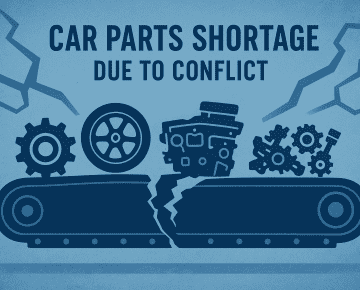
Auto parts supply chain disruptions are reshaping procurement across Malaysia’s automotive sector. You may have experienced sudden shipment delays, price surges, or component shortages that derail production schedules. The challenges stem from factors as diverse as semiconductor scarcity to geopolitical tensions in vital shipping lanes.
Understanding these disruptions and their root causes is the first step toward protecting your operations. In this guide, you’ll find actionable strategies—from mapping vendor risk to deploying digital tracking tools—that keep your supply chain agile and resilient. With the right approach, you’ll turn uncertainty into competitive advantage.
Your proactive choices today set the pace for tomorrow’s performance.
Understand supply chain challenges
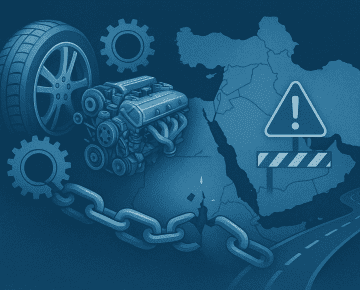
Global auto parts supply chain disruptions often start far from Malaysia yet ripple through your entire procurement network. Rising tensions in the Middle East have forced container ships to reroute around the Cape of Good Hope, adding days or even weeks to transit times. Meanwhile, port congestion at hubs like Port Klang and Port of Singapore pushes freight rates higher and erodes predictability.
You might notice that certain components—such as semiconductors, circuit boards, and specialized alloys—are suddenly stuck in limbo. The 2021–2023 semiconductor shortage showed how a single chokepoint can jam factories worldwide. Similar scenarios play out whenever raw material producers face labor disputes or energy shortages.
For insights on how geopolitical unrest drives component shortages, see automotive supply chain challenges middle east. If you’re tracking price jumps and delays, auto industry supply chain issues 2024 breaks down recent global trends. It’s clear that volatility is the new norm.
Assess your risk exposure
Before you overhaul your procurement strategy, map out where the greatest vulnerabilities lie. Start by categorizing parts into critical and noncritical—electronic control modules demand more attention than standard fasteners. Look at your supplier list and note any concentration in a single country or company.
Don’t overlook transportation routes: with most auto parts arriving by sea, a delay at Penang Port or unexpected Sunda Strait closures can cause a domino effect. Incorporate transit hubs and transit times into your risk matrix so you can reroute shipments when bottlenecks occur.
Review past incidents in regions you rely on: the disruptions highlighted in automotive logistics problems conflict regions can help you anticipate similar challenges. Learning from real-world examples sharpens your mitigation plan.
Diversify your supplier network
Relying on a single manufacturer might streamline communication, but it also concentrates risk. When a conflict flares or a major supplier faces production hiccups, your assembly lines stop. Expanding your vendor base to include second-tier suppliers in neighboring countries like Thailand or Vietnam gives you alternative sourcing options. You’ll also build bargaining power by playing quotes against each other while maintaining backup capacity. Don’t assume quality or compliance standards will automatically align—invest time in auditing and onboarding new partners. Over time, this extra effort pays dividends when one supply channel unexpectedly goes offline.
Aim for a balance: keep your trusted core suppliers but add geographically diverse backups. That way, if one vendor falters, you can pivot without missing a beat.
Strengthen inventory strategies
A pure just-in-time model leaves little room for the unexpected, especially during global disruptions. You can layer in buffer stock for your most critical parts—like powertrain electronics or turbo assemblies—without inflating carrying costs across the board. Use historical demand data and scenario-based lead time estimates to set safety stock levels that respond to volatility. If you lock in buffer quantities during stable periods, you’ll avoid scrambling when delays hit.
Consider a hybrid approach: just-in-case inventory for high-impact items paired with JIT for lower-risk components. It’s a small shift that drastically reduces the risk of costly production stoppages.
Invest in digital visibility
Real-time visibility turns guesswork into data-driven decisions. Cloud-based supply chain management platforms such as SAP Ariba or Oracle SCM Cloud let you track order status, shipping location, and customs clearance in one dashboard. When delays occur, automated alerts notify you so you can arrange alternate carriers or reroute containers. Over time, the system learns normal transit patterns and flags anomalies before they spiral into bigger problems.
Predictive analytics takes visibility one step further by modeling potential disruptions—like port strikes or volcanic eruptions—against your specific shipping lanes. The insights let you preemptively adjust orders, avoiding emergency air freight premiums.
Collaborate with your partners
Transparent communication transforms suppliers into strategic allies. Instead of waiting for crisis alerts, schedule regular cadence calls to review forecast updates, capacity changes, and material availability. Sharing your production road map helps suppliers plan resources, and they’ll reciprocate by flagging risks early. When you innovate together—testing alternative materials or joint logistics solutions—you build resilience into the entire chain.
Treat logistics providers as extensions of your team and align on performance metrics like on-time delivery rates and damage-free throughput. Clear expectations and joint problem-solving foster trust and speed up issue resolution.
Monitor and forecast demand
Static forecasts based solely on past orders won’t catch sudden market shifts. Instead, implement rolling forecasts that update weekly or monthly as fresh sales and market intelligence roll in. This approach uncovers emerging trends—like spikes in demand for EV components—that static annual plans miss. You can then adjust procurement volumes before stockouts occur.
Scenario planning—building best case, worst case, and most likely demand profiles—prepares you for rapid pivots. It’s not perfect, but it gives you a clear framework for decision-making when uncertainty spikes.
Leverage government support
The Malaysian government offers multiple programs to bolster manufacturing and trade resilience. Export credit guarantees and duty deferment schemes free up working capital when you need it most. Grants for digital transformation can offset costs if you invest in new tracking or analytics tools. Engaging with trade bodies like the Federation of Malaysian Manufacturers connects you to group procurement initiatives and shared logistics solutions.
Keep an eye on new regulations and relief packages—sometimes an announcement in the federal gazette can unlock significant cost savings. Lobbying as an industry group amplifies your voice and shapes policies that ease supply chain pressures.
Compare mitigation strategies
Here’s a quick comparison of key strategies to help you decide which ones to prioritize.
| Strategy | Benefit | Time to implement |
|---|---|---|
| Supplier diversification | Spreads risk across regions | 3–6 months |
| Safety stock buffers | Reduces stockout probability | 1–3 months |
| Digital visibility tools | Real-time tracking and alerts | 2–4 months |
| Collaborative planning | Improved forecast accuracy | 2–5 months |
| Government programs | Financial relief and incentives | Varies by program |
Key takeaways and actions
Navigating auto parts supply chain disruptions demands a mix of strategy and agility, from mapping your risk to leveraging digital tools. Start by assessing your supplier concentration, then layer in safety stock for mission-critical components.
Next, onboard at least one alternative vendor in a different region, and pilot a cloud-based tracking dashboard to gain real-time visibility. Schedule biweekly meetings with key suppliers to align forecasts and catch issues early.
Proactivity is your strongest ally.
- March 27, 2026
- Auto parts
related posts